
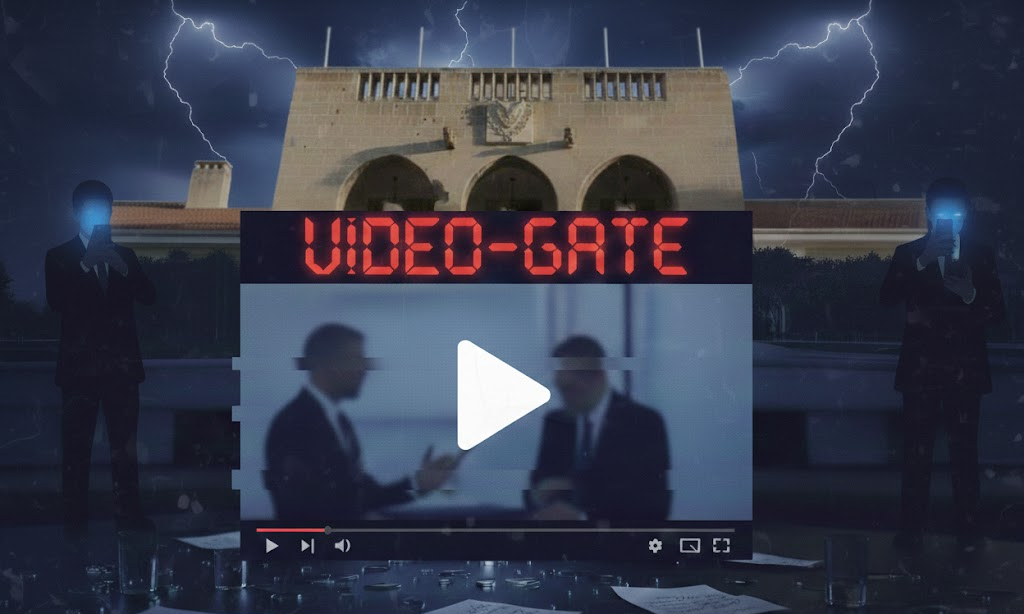
No one doubts that the infamous video by the “independent” analyst on the social media platform X was a deliberately malicious act aimed at damaging the Christodoulides government and, by extension, Cyprus’s credibility. The timing of this communications “bomb” was no coincidence, as it coincided with the official ceremony marking the Republic of Cyprus’s assumption of the EU Presidency, causing a political “earthquake.” The accusations were very serious: the material featured former Energy Minister George Lakkotrypis, the Director of the President’s Office, Charalambos Charalambous, and a well-known Cypriot businessman involved in money laundering to finance the President’s election campaign through the Independent Social Support Body chaired by the First Lady.
Timeline of the crisis and initial de-escalation actions:
- January 8, 2026: The video is posted. The material spread at breakneck speed on “X”, dominating digital headlines and social networks.
- January 9, 2026: Lakkotrypis’ reaction. The first response did not come from the Presidency, but from George Lakkotrypis. The former minister reported the incident to the police, claiming that it was a montage and a deliberate compilation of statements.
- January 9, 2026: The government’s position. A few hours later, the Government Spokesperson set out the official line, describing the video as “a product of editing and a malicious attempt to damage the country’s image.”
- January 9, 2026: Personal intervention by the President. President Christodoulides attempted to distance himself, publicly calling on anyone with evidence of bribery to submit it to the authorities, stressing that “no one has the right to accuse him of corruption.”
- January 11, 2026: Resignation of the First Lady. Filippa Karsera-Christodoulides announced her departure from the Independent Social Support Body and proposed a change in the legal framework governing the Body. This move was intended to distance her name from the controversy surrounding the anonymity of the donors, transferring responsibility to civil servants. However, the government did not proceed with the disclosure of the donors.
- January 12, 2026: Charalambous resigns. The President’s closest associate submitted his resignation for reasons of ethics and to protect the institution’s prestige, which the President accepted.
- January 12, 2026: Criminal Investigation. On the instructions of the Legal Service, an investigation was launched into the authenticity of the material and the existence of any criminal offenses, with the assistance of international authorities.
How the government responded
The government’s main counterargument was that the material’s authenticity was questionable, suggesting that it was an organized destabilization operation. The government focused on promoting “transparency” and spoke of a hybrid threat. At the same time, it took control measures and sought resignations, attempting to limit the damage to the government’s credibility caused by the connection of a close associate of the President to the scandal.
The actions taken to manage the communications crisis were correct and essential, but they were delayed and took place at different stages. The obvious resignation of the Director of the President’s Private Office came late and after intense political pressure. This tactic gave the impression that the government was keeping its moves “under wraps” and waiting to exploit them according to the reactions. As a result, the issue dominated the news for a long time, projecting an image of an awkward and fearful government, characterized by knee-jerk reactions and no real planning.
Regardless of the authenticity of what was presented in the video, the image of the government and the President himself suffered a significant blow. According to a poll by RAI Consultants for ALPHA, the credibility of the President of the Republic plummeted. Seventy-seven percent of citizens believed that his image had been seriously damaged, while 58% of those surveyed considered that the President had been affected “very negatively,” leaving only a meager 11% who argued that the incident had left no mark on his profile.
In conclusion, “videogate” was a harsh lesson in crisis management for the Presidency. Although the reflexes worked at the institutional level (resignations, investigations), the communication lag allowed the public sphere to cement an image of a defensive government acting under pressure. In an era where technology can construct “truths,” speed and absolute transparency are no longer optional, but a prerequisite for political survival.