
An Axios article highlights some very interesting insights into the impact of artificial intelligence, according to which generative AI not only changes the content of our work but is fundamentally reshaping the way people express themselves verbally and in writing, leading to an increasing uniformity of language.
Recent studies by the Max Planck Institute and the University of Southern California (USC) highlight a new reality taking shape:
- Words preferred by artificial intelligence models, such as “delve,” “comprehensive,” and “swift,” are seeing a sharp increase in their use by people in academic lectures and podcasts.
- Researchers describe a “closed cultural loop,” where humans feed data into machines and then humans copy the linguistic patterns the machines have learned.
- The use of tools like ChatGPT and Gemini to improve texts tends to eliminate personal flair and complexity, making written language more uniform and predictable.
Significant side effects:
Although AI can improve the readability and clarity of a text, experts warn of significant side effects:
- Loss of Identity: An individual’s unique linguistic personality gives way to an “average” style imposed by the algorithm.
- Limitation of Thought: Linguist Emily Bender emphasizes that the process of writing is simultaneously a process of thinking. If we delegate writing to AI, it diminishes our ability to express ourselves and think critically.
- Degradation of Models: There is a risk that future AI will be trained on texts already generated by AI (through human intervention), leading to a gradual decline in the quality and originality of the data.
Technology acts as an accelerator, but the speed and convenience it offers may come at the cost of cultural and linguistic homogeneity. The groups that actively use AI tools for work and learning (scientists, entrepreneurs, educators) are the ones adopting the machine’s “way of speaking” the fastest.
Cognitive ability is under threat
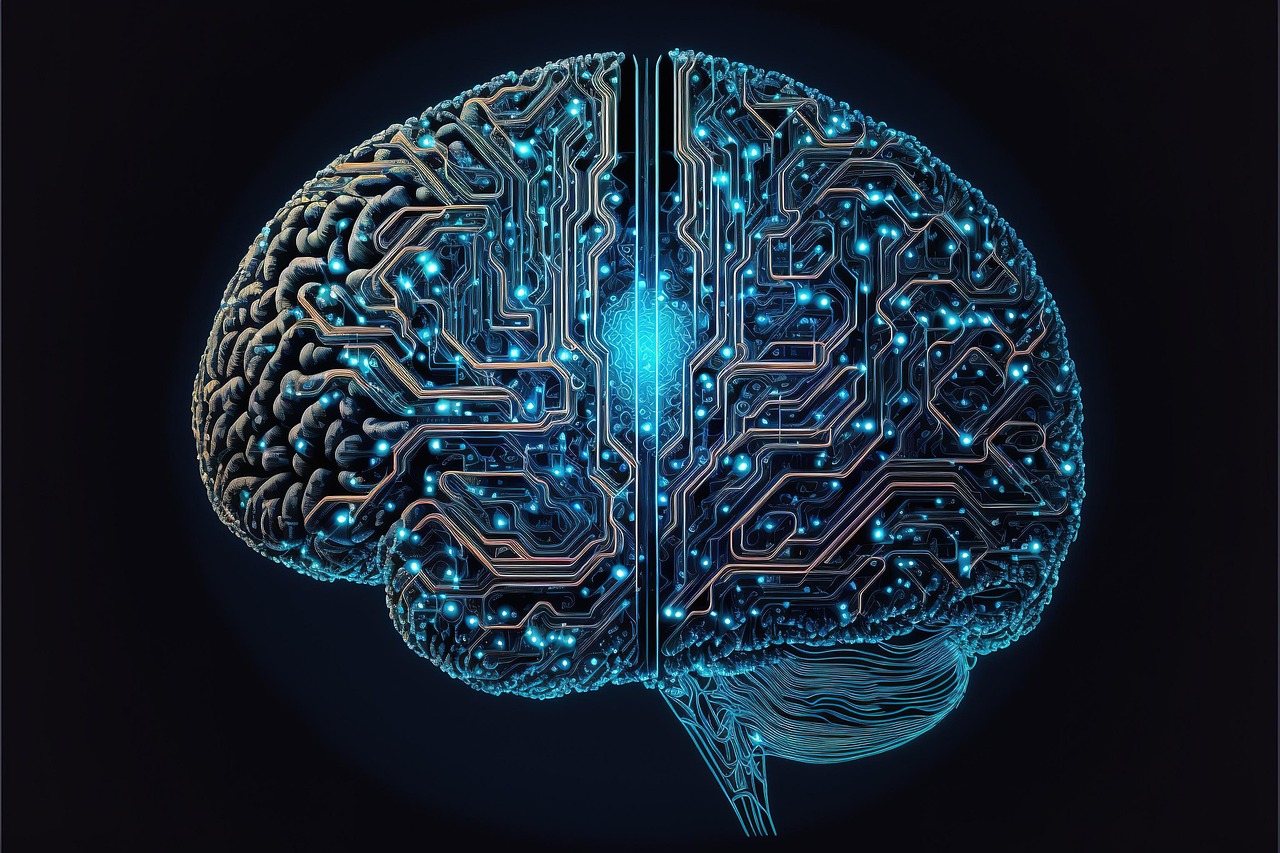
Even more alarming findings emerge from another recent MIT study regarding the long-term effects of excessive use of AI tools, such as ChatGPT, on human cognitive ability.
Beyond the standardized and formulaic nature of speech and written language, the researchers point out that constantly delegating tasks of thinking, analysis, and writing to AI models may lead to a form of “cognitive atrophy.” Just as muscles weaken without physical exercise, so too do our brain functions—particularly critical thinking and creativity—risk weakening if we stop exercising them, relying instead exclusively on ready-made, automated responses.
Furthermore, the research focuses on the illusion of knowledge and effectiveness created by these tools. Users often confuse the speed at which AI generates information with their own deep understanding, which reduces their mental effort and ability to solve complex problems. The research does not condemn the technology but emphasizes the need for a more conscious and balanced use of it, warning that our transformation into passive consumers of ready-made content may undermine the uniqueness of human intellect.
This gradual erosion of authenticity and diversity in human approaches constitutes one of the most alarming and invisible threats of AI.